Vr/ar szemüvegek


3D Virtual Reality VR Glasses For IPhone Android Smartphone Cell Mobile Phone Helmet Headset Wirth Real Lenses Goggles Devices

VR Shinecon 6.0 Casque Virtual Reality Glasses 3 D 3d Goggles Headset Helmet For IPhone Android Smartphone Smart Phone

AI Camera Glasses, 13-megapixel Camera, Supports Video Recording/AI Translation, WIFI Transmission
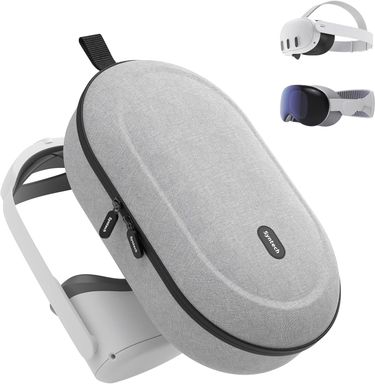
Syntech kemény hordtáska, kompatibilis a Meta Quest 3/Oculus Quest 2/Vision Pro kamerákkal.
AI Camera Glasses, 13-megapixel Camera, Supports Video Recording/AI Translation, WIFI Transmission

Virtual Reality VR Glasses Headset Viar Devices 3D Helmet Lenses Smart Goggles For Phone Smartphones Cell Viewer Mobile

Qianhuan Sixth Generation Glasses 3D Virtual Reality G04E/A VR Gaming Headset Mobile Game Controller

VR Glasses 3D Viar Phone Virtual Reality Headset Helmet Devices Smart Lenses Goggles For Smartphones Cell Hedset Mobile Game Set

VR Shinecon 6.0 Casque Virtual Reality Glasses 3 D 3d Goggles Headset Helmet For IPhone Android Smartphone Smart Phone Viar Lens

Vision Pro VR szemüveghez alkalmas, félig átlátszó, ütközésgátló és ujjlenyomat-taszító, nagy átlátszóságú védőtok

VR stabil átviteli gyorsreagálású fejhallgató tartozékok videó nézése légáteresztő virtuális valóság fejpánt Oculushoz

Vr Headset Gurt Verstellbar Bequemes Pad Schutz Stirnband frissítések Atmungsaktives Kopfkissen Ersatz Für Oculus Quest 2

Syntech kemény hordtáska, Meta Quest 3/Oculus Quest 2/Vision Pro kamerákkal kompatibilis

Syntech kemény hordtáska, Meta Quest 3/Oculus Quest 2/Vision Pro kamerákkal kompatibilis

VR Shinecon 10.0 Helmet 3D Glasses Virtual Reality Casque For Smartphone Smart Phone Goggles Headset Viar Video Game Binoculars
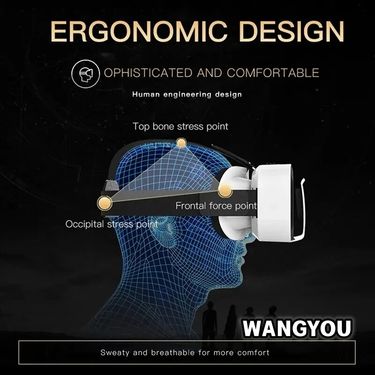
Újdonságok G05 3D Shine Con headset fejre szerelhető virtuális valóság állítható VR szemüveg 4,76 hüvelykes androidos okostelefonokhoz

G15E IMAX 3D Movies Virtual Reality Glasses Google Cardboard Box VR Helmet For 4.7-7" Phone,Support Game Joystick

VR Glasses 3D Virtual Reality Headset Devices Helmet Lenses Goggles Smart For Smartphones Phone Cell Mobile Game Viar Viewer Set
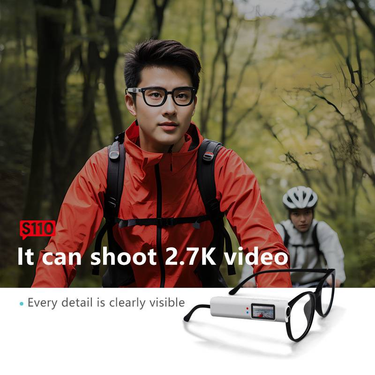
2K HD szemlencsés hordható felvevő, felvételi műtárgy, hordozható életkamera, kültéri sportkamera

VRGPro X7 Helmet 3D Virtual Reality Glasses VR Headset For Google Cardboard 5-7' Mobile With Original Box
Wearable Display Glasses: A Different Way to See and Use Information
Most screens demand your full attention. You stop what you’re doing, look down, swipe, tap, then return to reality slightly disconnected. Over time, that constant switching becomes tiring—especially when information is something you need alongside what you’re already doing.
This is where wearable display glasses come in. They’re not meant to replace your phone or computer. They exist for moments when information works better in front of you, not in your hands.
What Makes Wearable Displays Different from Regular Screens
Unlike phones or tablets, wearable display glasses don’t pull you out of your environment. The display sits within your field of view, allowing digital content to coexist with the real world. You glance, absorb, and move on—without breaking focus.
This is why these products are often grouped under extended reality products. Not because they’re about spectacle, but because they extend how you access information. Navigation cues, notifications, instructions, or visual content appear where you need them, when you need them.
The experience feels less like “using a device” and more like referencing something naturally.
Practical Uses Beyond the Hype
Despite the futuristic image, wearable display glasses are often used for very practical reasons. People turn to them when hands-free access matters, when multitasking is unavoidable, or when traditional screens feel inefficient.
For media consumption, video glasses offer a private, immersive viewing experience without needing a large physical screen. They’re commonly used during travel, long commutes, or shared spaces where a traditional display isn’t practical. Instead of holding a device, you simply wear the screen.
In work or technical environments, wearable displays help keep instructions or reference material visible while hands remain free. That simple shift can improve accuracy and reduce repeated interruptions.
A More Natural Way to Interact
Another reason interest in wearable displays keeps growing is interaction. Touchscreens aren’t always convenient. Voice, gesture, or minimal physical controls often feel more intuitive in these contexts.
Some setups pair naturally with systems like a voice command robot, allowing users to trigger actions or retrieve information without manual input. This reduces friction, especially when speed or safety matters.
The goal isn’t complexity—it’s reducing the number of steps between intention and action.
Customization and Accessories Matter
Comfort and adaptability play a huge role in whether wearable display glasses are actually used long-term. That’s why AR glasses accessories exist—not as add-ons for show, but as practical adjustments.
Accessories help improve fit, balance, charging convenience, or compatibility with other devices. Small tweaks can dramatically change how wearable a device feels over extended use. Without them, even advanced hardware can end up sitting unused.
People who use wearable displays regularly tend to treat them less like gadgets and more like personal tools—adjusted to suit their habits.
Not a Replacement, but an Extension
One common misconception is that wearable display glasses are trying to replace phones, monitors, or TVs. In reality, they work best as an extension of existing devices.
They complement screens rather than compete with them. You still use traditional displays for deep work or long sessions, but wearable displays step in when convenience, privacy, or hands-free access matters more.
This mindset shift—using them selectively rather than constantly—is often what makes the experience click.
Who These Glasses Make Sense For
- Consume visual content in situations where holding a screen is inconvenient
- Need quick access to information without breaking focus
- Value privacy in shared or public environments
- Prefer tools that adapt to their workflow instead of demanding attention
- When used this way, they feel less like experimental tech and more like a practical upgrade.
Seeing Information, Without Losing the Moment
The real appeal of wearable display glasses isn’t novelty—it’s continuity. You stay present in what you’re doing while still accessing what you need.
As extended reality products continue to evolve, the most successful ones won’t be the flashiest. They’ll be the ones that quietly fit into everyday life, making information easier to see without making the world harder to experience.